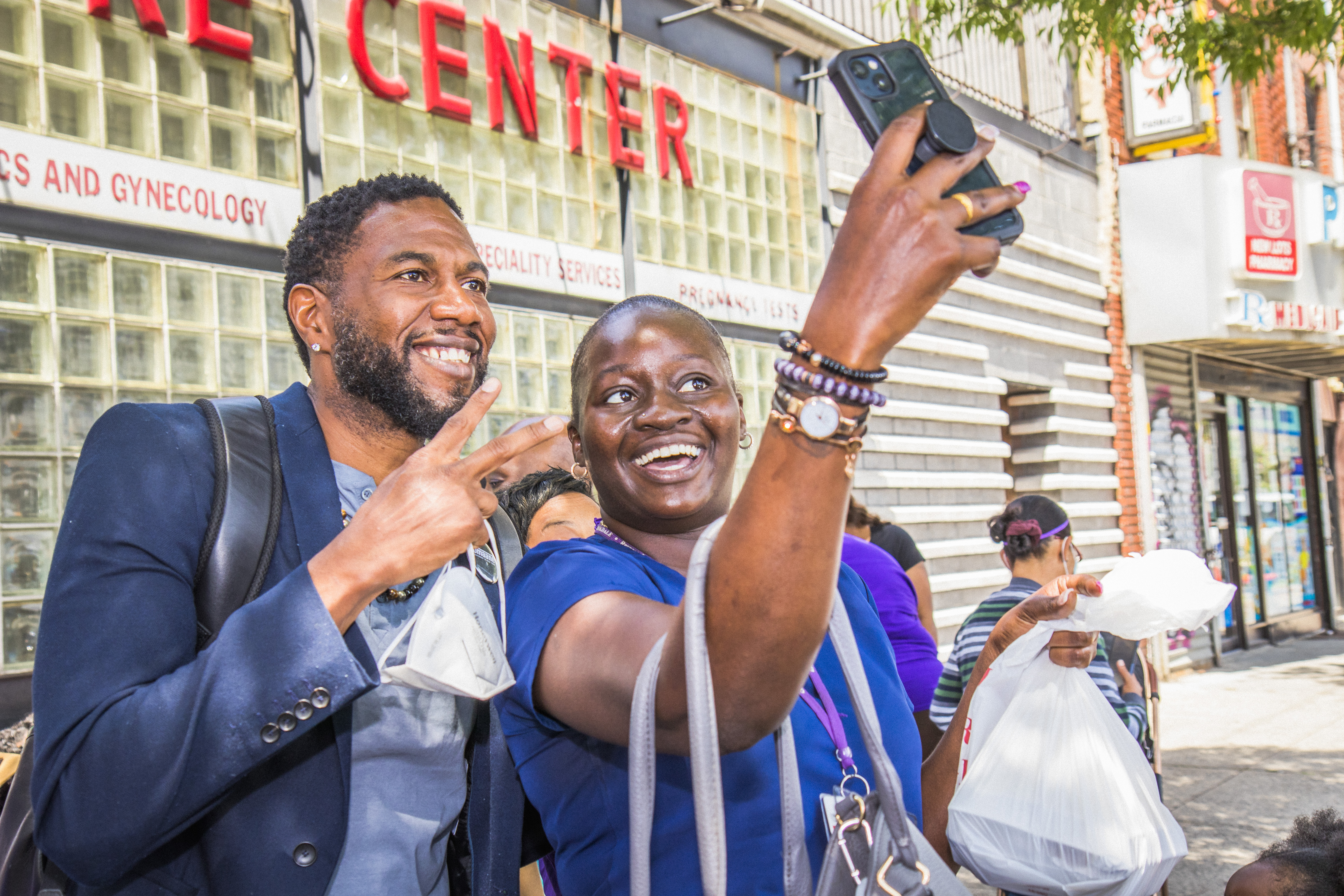
If the ongoing COVID-19 pandemic has taught us anything, it’s that our health as individuals is connected to our community. “Public Health” is aptly named because it’s a collective effort to foster well-being for all—ideally, with the support of strong public health institutions.
Below are six suggestions for a healthier, happier 2026 for you and your neighbors; this is a non-exhaustive list, as there are so many possibilities for creating wellness in equitable ways.
1. Share the Air Responsibly
New York City has once again faced an alarming “tripledemic” of respiratory viruses, including the Flu, COVID-19, and RSV. The good news: we have proven tools to help us avoid getting sick, or stave off serious illness for ourselves and our loved ones. While immunization may not prevent transmission entirely, the Flu and COVID-19 vaccines, and the RSV vaccine if you’re eligible, can help ward off the worst symptoms and reduce the risk of hospitalization and death.
The federal government is currently villainizing vaccines, but in the midst of nationwide measles outbreaks, and coming off the heels of a recent mpox spike, New Yorkers know that signing up for needed vaccines is a way to show care for yourself and your community. Roll up your sleeves—because vaccines work!
In addition to vaccines, wearing a high-quality mask, testing, and staying home when sick (and workplace and government policies that facilitate this choice) are also crucial tools in the toolkit for preventing respiratory viruses. And there are many ways to turn care into action: learn how to get involved in advocacy to uplift Long COVID, fight back against mask bans, and push for institutions to improve indoor air quality.
2. Fight for Environmental Justice Like Our Lives Depend on It; Because They Do
The air we breathe, inside and out, has a huge impact on our health, and the health disparities that persist between our communities. Poor outdoor air quality in New York City has been linked to emergency room visits and hospitalizations for asthma and heart and lung issues, and even thousands of deaths a year.
The advocacy that led to congestion pricing is an inspiring model of how we can fight for cleaner air; in fact, this program has already reduced air pollution. We can continue pushing for expanded public transit options, and embracing causes like creating more equitable access to trees in New York City neighborhoods. According to the New York League of Conservation Voters, communities of color “have 33% less tree canopy on average than majority white communities.” Trees are both a means for fighting racial injustice and an antidote to dangerous levels of air pollution and extreme heat.
Extreme heat, flash flooding, brutal winter storms: these are all unfortunately becoming more common. So we hope New Yorkers are inspired to take action against the climate crisis—by fighting fossil fuels, or by even cleaning out catch basins to prevent flooding—and get involved in community emergency preparedness.
3. Shrink Poverty; Expand Access to Healthcare
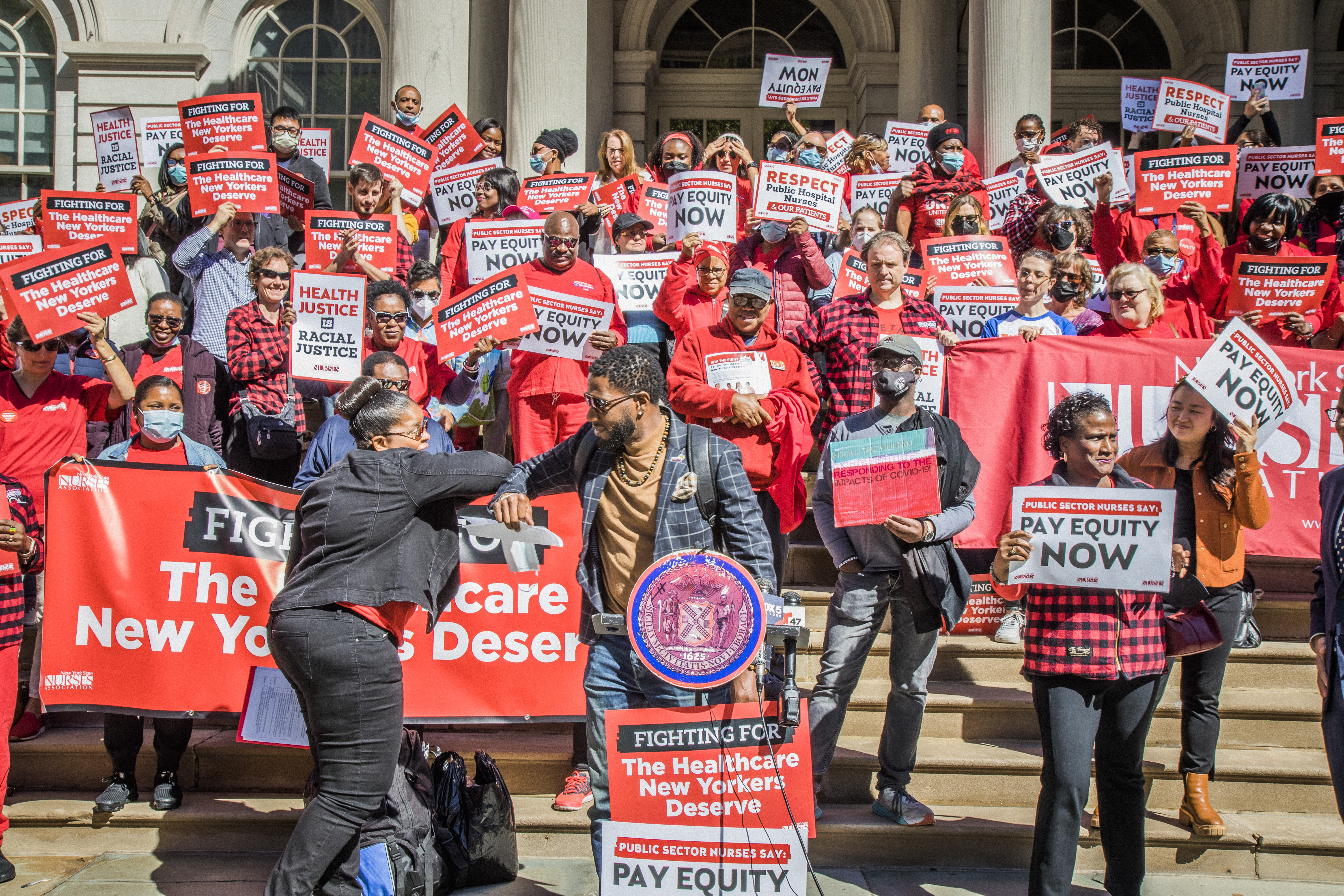
Poverty and poor health outcomes are connected on many levels, from food insecurity to dangerous housing conditions—which means there are countless ways to get involved in ensuring all communities have access to the resources they need. Whether you are joining mutual aid efforts in your neighborhood, or rallying to Tax the Rich, as New Yorkers, we can take a stand against the systemic inequities that can literally be felt in our bodies.
A powerful ethos for 2026: Decrease poverty, and increase access to resources, including to healthcare. Healthcare professionals have been on the frontlines for the working conditions that will benefit patients as well as workers. Families and advocates are fighting for lifesaving improvements in maternal health. We have been proud to help make strides for TGNC rights in healthcare settings, but there is more work to be done to protect and expand access to LGBTQ+ healthcare.
4. Community is Care
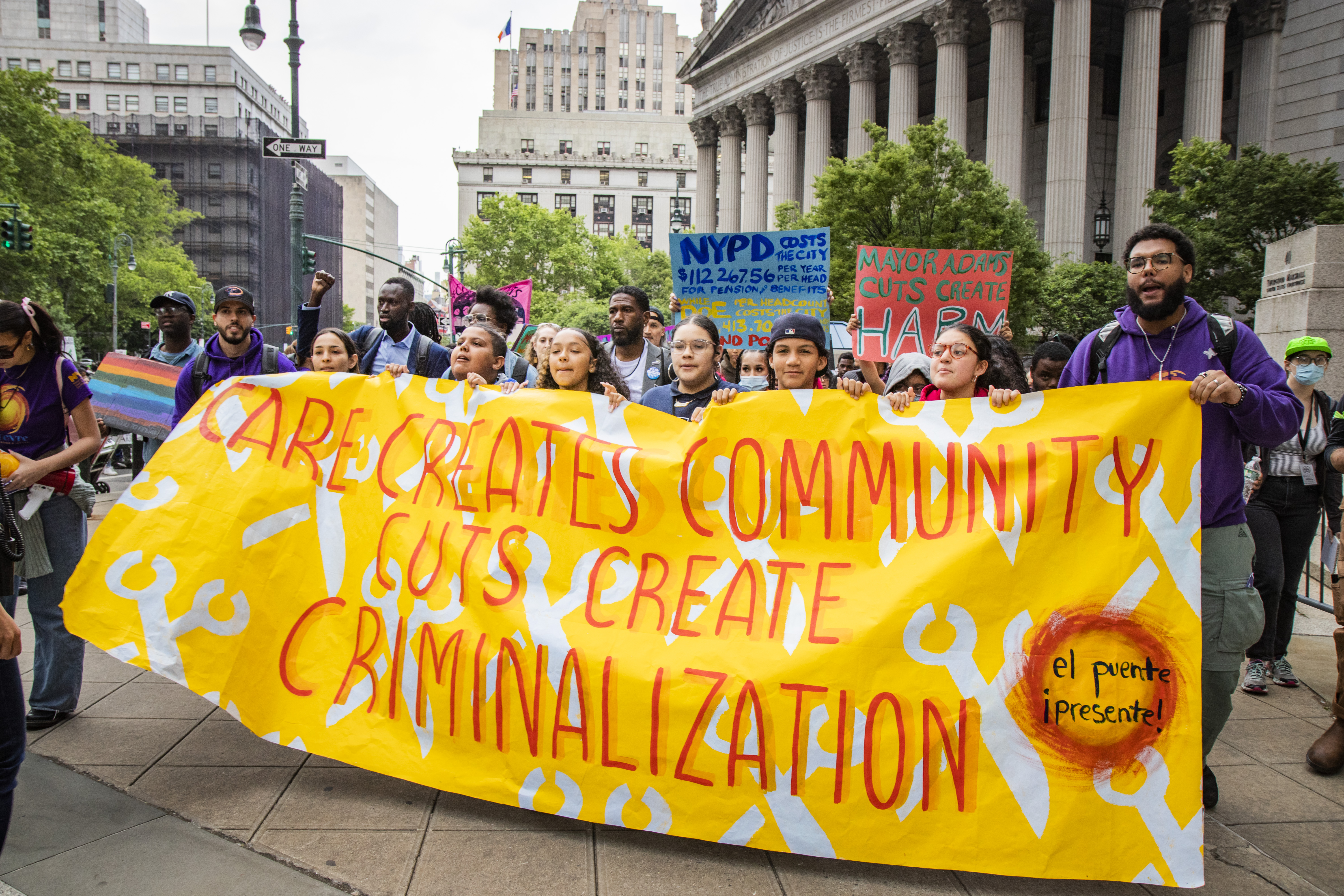
Research shows that social connection is good for our health. There are many ways to grow deeper connections with the people in your community, in-person and online, whether by volunteering, checking in on your neighbors, or joining rapid response networks to confront crises. Hands Off NYC is a powerful example of leveraging relationships for good—to fight back against Trump’s authoritarian and racist deportation agenda and protect our neighbors.
5. Prevent Overdose
According to the NYC Department of Health and Mental Hygiene, “Drug overdose deaths have increased more than 44% since 2019, illustrating a crisis of mental health and social isolation.” On both a policy level, and as community-members, we can work together to prevent overdose. There is a bill in the New York State Legislature to authorize and expand Overdose Prevention Centers, which have been shown to save lives. Contact your State Senator and State Assembly Member to express your support for this legislation. As an individual or business owner, you can also educate yourselves and others about tools such as fentanyl test strips and free naloxone kits.
6. It's OK to Not Be OK
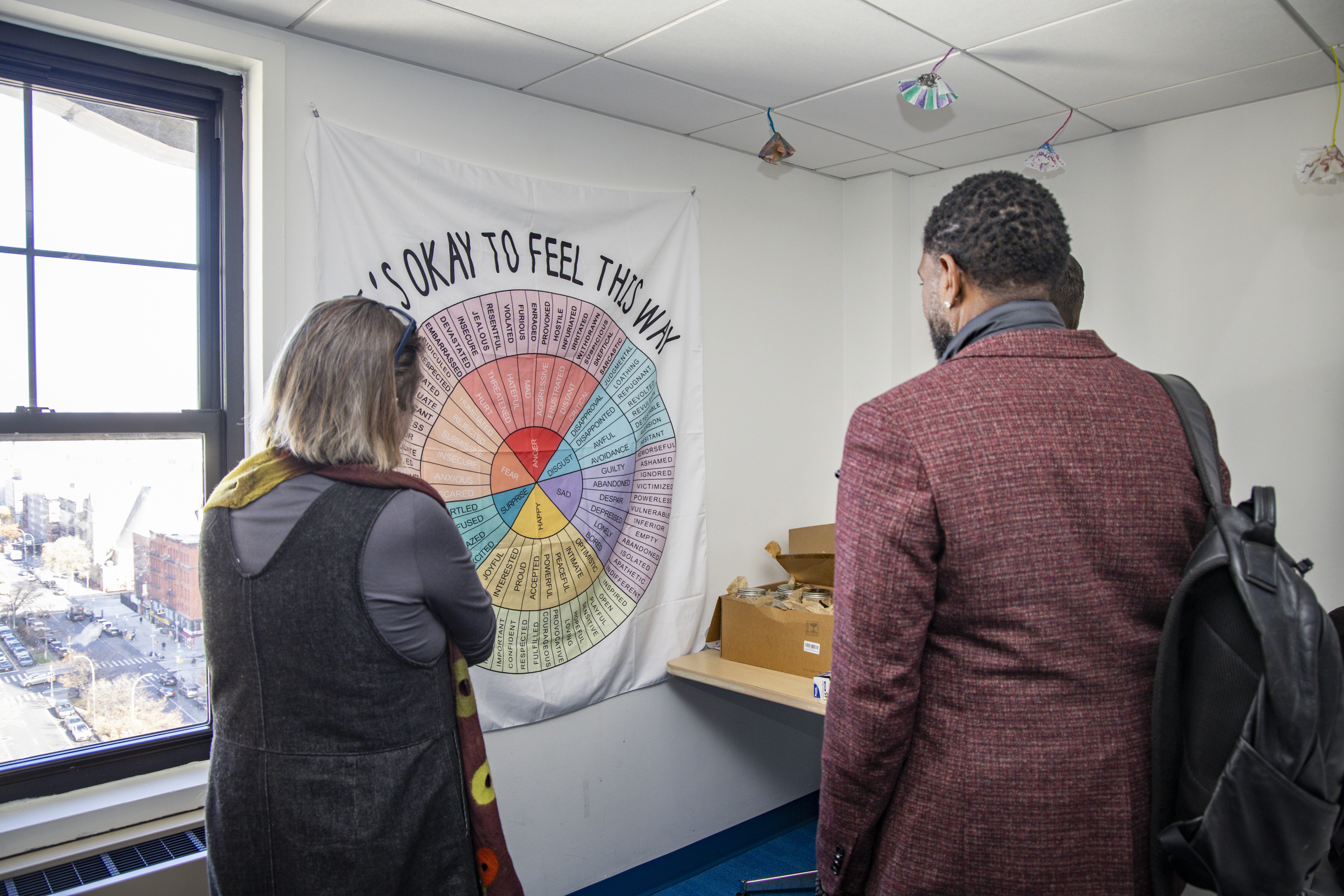
Mental health stigma, and the very real barriers to seeking care, can make it harder to heal, as individuals and in our communities.
We can change that. As we shared recently, alongside mental health resources:
The more openly we talk about [mental health], the more we reduce the stigma and push public policies that prioritize easy, broad, compassionate, confidential, and affordable (if not free) mental health care access for all.
On a policy level, there are steps New York City can take to push against the criminalization of mental illness, with a health-centered approach, not a criminal one. Learn about our office’s mental health recommendations.
Let’s look out for one another, linking self-care with collective care. Together, we can create a New York City where all New Yorkers can feel safe, healthy, happy, and whole.
By Mirielle Clifford, Deputy Digital Media Director
Photo Credits: Caroll Andrewsk for the Office of the New York City Public Advocate